YouTube Strategies for Brands in 2023

 Menu
Menu
In the ever-evolving digital landscape, YouTube has emerged as a powerful platform for brands to connect with their audience, tell their story, and drive engagement. As we navigate through 2023, it’s clear that YouTube is no longer an optional marketing channel, but a necessary one. This blog post will delve into the strategies that brands can leverage to maximize their YouTube presence and engagement.
YouTube is the world’s third most used website, behind Google and Facebook, and the second largest search engine after Google. With 2 billion active users and 1 billion hours of content viewed per day, YouTube dominates in terms of content consumption. Despite these impressive statistics, many brands are yet to fully explore the potential of YouTube. The platform presents an opportunity for brands to deepen their connection with consumers through storytelling and education.

YouTube offers brands the chance to tell their story without cutting out the details. It’s every brand marketer’s dream to have a platform where they can share an unfiltered, uncropped, untrimmed narrative of their brand’s message, mission, and core values. Brands like Google, Shopify, Gillette, and Spotify have leveraged this opportunity to create compelling narratives that resonate with their audience.

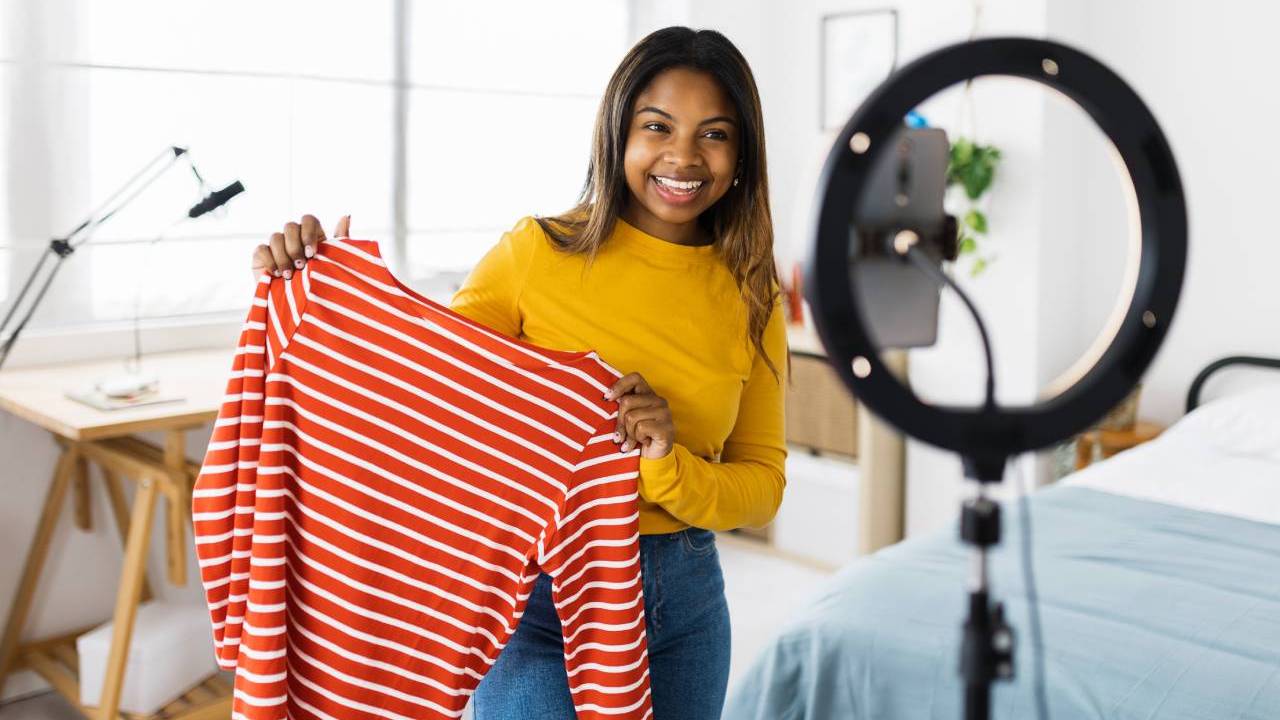
YouTube is the perfect place to educate customers on products and how to use them. Beauty brands like NARS, Fenty Beauty, OUAI Haircare, and Huda Beauty have been at the forefront of this trend, creating compelling videos that tap into audiences’ eagerness to learn. However, it’s not just beauty brands leveraging YouTube for product education. Brands across industries are recognizing the value of this strategy.
Behind-the-scenes content performs well across the board. Brand fans love getting a behind-the-scenes look into the world of their favorite companies. This is a minimal effort tactic that can make a big impact on your reach. Brands like Vogue, Puma, The Ellen Show, and REVOLVE have successfully used this strategy to engage their audience.

YouTubers were arguably the first influencers. Bloggers who were early to the YouTube game amassed millions of followers and some have created successful brands of their own. Brands are using their star power and cult followings to create viral videos. Vogue, Nike, Allure, and Sally Hansen are just a few examples of brands that have leveraged the power of influencers on YouTube.

Series offer a comfortable cadence and regularity of TV, but on-demand, and not too long. Series topics vary from fireside chats, interior design, clothing hauls, time-travelling through trends — the possibilities are endless. Brands like Urban Outfitters, Allure, Pretty Little Thing, Cosmopolitan, Shopify, and Architectural Digest have capitalized on this strategy to keep their audience engaged and coming back for more.

In an ideal world, brands will be where their customers are. This means that brand marketers will have a grasp of the social media demographics they want to reach, and will know where their customers spend their time online, what their favorite apps are, and what types of content they like to engage with. YouTube is one part of the journey to an impactful multichannel strategy, but its potential for engagement offers a not-to-be-missed opportunity for brands to build deeper, longer lasting connections with their fans.

Brands need a comprehensive marketing tool that can take their video content through all stages — from planning, to posting, to measurement. Often, the YouTube content you produce will be too long for platforms like TikTok. To repurpose content for TikTok, select 30-60 second clips and trim them down to the most engaging parts. This way, you can leverage your YouTube content across multiple platforms.

The YouTube Partner Program (YPP) is a significant milestone for brands on YouTube. It gives creators greater access to YouTube resources and monetization features. To join the YPP, brands need to follow the YouTube channel monetization policies, live in a country where the YPP is available, have no active Community Guidelines strikes on their channel, have advanced features access on YouTube, and have an active AdSense account linked to their channel. To become eligible, channels need to have 1,000 subscribers with 4,000 valid public watch hours in the last 12 months or 1,000 subscribers with 10 million valid public Shorts views in the last 90 days.
Growing a YouTube channel from zero to 1,000 subscribers is a significant milestone for any brand. It requires consistency, quality content, and a well-thought-out strategy. Here are some steps to help you achieve this:
In 2023, YouTube continues to be a powerful platform for brands to connect with their audience. By leveraging long-form brand messaging, product education, behind-the-scenes content, influencer collaborations, series, a multichannel strategy, and repurposing content, brands can maximize their YouTube presence and engagement. The journey to 1,000 subscribers may seem daunting, but with consistency, quality content, and a well-thought-out strategy, it’s an achievable goal. So, what are you waiting for? Start growing your YouTube channel today!